


Gentle Protection Through Time: From Bamboo Leaves to Everyday Peace of Mind
The Comfort of Tradition, Wrapped in the Scent of Sticky Rice
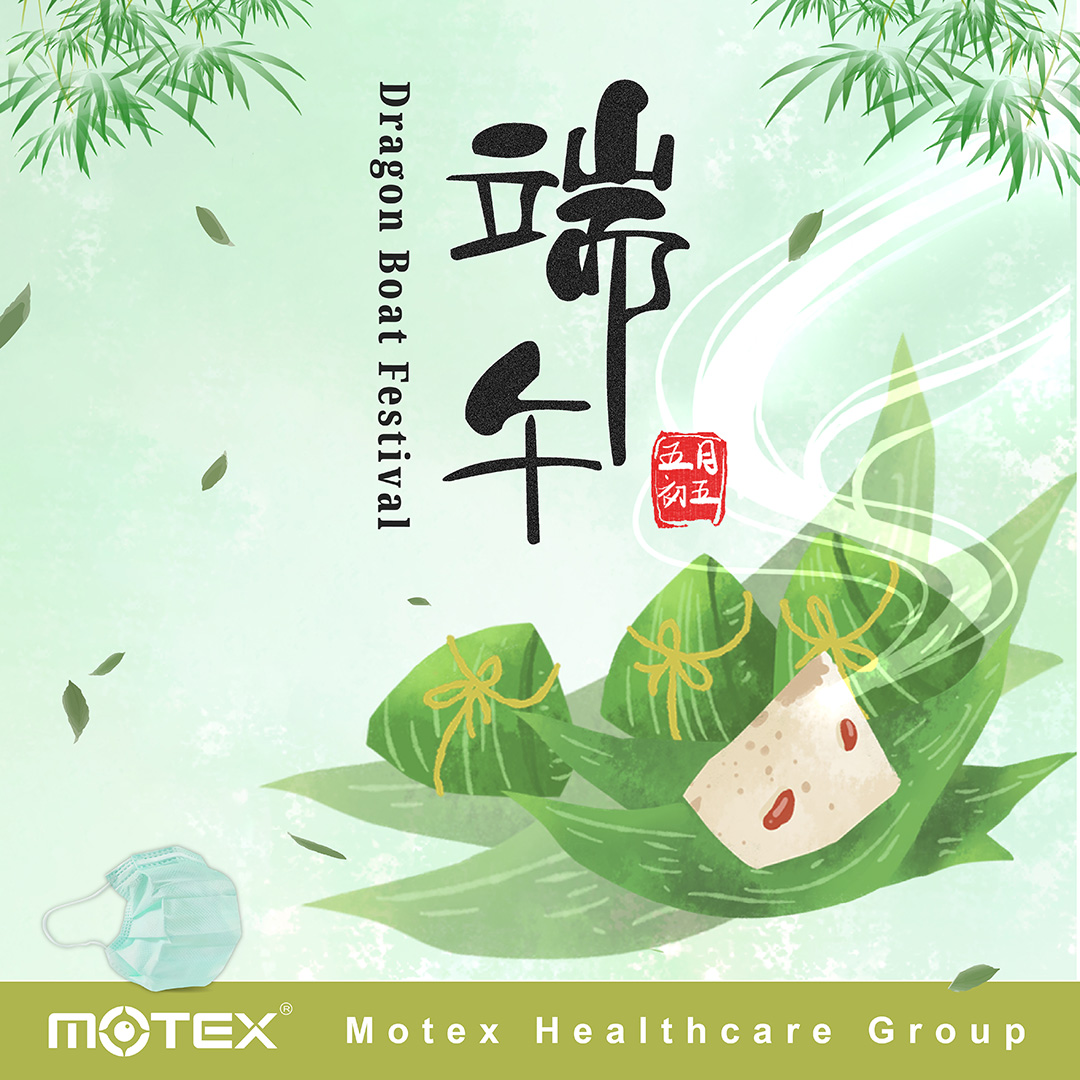
As the fifth lunar month draws near, a familiar fragrance begins to fill local markets—sticky rice mingled with mushrooms, peanuts, and braised pork. It’s a sign that the Dragon Boat Festival is approaching, and with it comes the heartwarming tradition of zongzi. Wrapped in layers of bamboo leaves, each dumpling holds not just a delicious filling, but generations of memory and love.
For many, zongzi is more than just food. It’s a ritual. The sight of grandma tying the string, mom preparing the fillings, and kids peeking into the steaming pot paints a vivid portrait of togetherness. Beneath these layers, a quiet truth lingers: to wrap something is to protect it. This tradition, handed down through centuries, reminds us that protection is a gesture of care—whether through food or something as simple as a mask.
Dragon Boats and the Pulse of the Festival
If zongzi speaks to the warmth of home, dragon boat races capture the spirit of excitement and energy. Paddles slice through the water, drums echo in rhythm, and teams race with synchronized determination. What began as a ritual to ward off evil now thrives as a cultural celebration that brings communities together.
Modern dragon boat events have also embraced current sensibilities: crowd controls, hand-sanitizing stations, and optional face coverings at crowded viewing areas. It's a vivid example of how tradition evolves without losing its soul—merging the old with the new to create celebrations that honor both heritage and health.
Balancing Eggs and the Wonder of Tradition
“Did you know you can stand an egg on its end at noon during the Dragon Boat Festival?” This childhood challenge is backed by old beliefs about solar alignment and gravitational balance. Whether it’s true science or playful folklore, it’s one of many charming traditions that have endured the test of time.
Like egg balancing, customs such as hanging sachets, washing with “noon water,” or preparing herbal pouches reflect a time when people responded to seasonal changes with symbolic acts. In rediscovering these traditions today, we also uncover a timeless truth: that wellness isn’t always clinical—it can be cultural, communal, and even fun.
Herbal Wisdom in a Modern Age
Once known as the "month of poisons," the fifth lunar month was traditionally associated with disease and misfortune. Our ancestors responded with protective rituals—collecting herbs at noon, hanging wormwood and calamus at the door, making fragrant sachets, and applying realgar wine to ward off evil spirits.
While we may no longer believe in evil spirits, these acts still hold symbolic power. In today’s world, where invisible threats remain, we may turn to well-made, reliable face masks instead of herbal wine. Products like recyclable face masks or TN95 face masks from Motex embody this blend of past and present—honoring the intention of protection while embracing modern standards.
One Layer for Flavor, One for Peace of Mind
Just as bamboo leaves enfold the filling of a zongzi, a mask wraps gently around the face—not to hide, but to shield. This Dragon Boat Festival, while you prepare glutinous rice and tie fragrant herbs by the door, consider also setting aside a clean, comfortable mask for your loved ones. It’s a modern extension of an ancient message: to wrap is to care, to protect is to love.
In the quiet rituals of this season—whether steaming dumplings, tying sachets, or choosing what you wear outdoors—we find the echo of something deep: a wish for safety, a commitment to those we cherish, and a gentle reminder that tradition, at its best, is an act of care.
